Two takes on press release tips: Press release or press delete?
College Sports Information Directors of America

Two articles focus on the press release and tips to help yours get read, published and stand out from the hundreds that a newsroom editor or reporter will receive each week.
Press Release or Press Delete?
See article online: Press Release or Press Delete? by Jeremy Porter via journalistics.com
The next time you write a press release, give the reporter a reason NOT to delete your release, 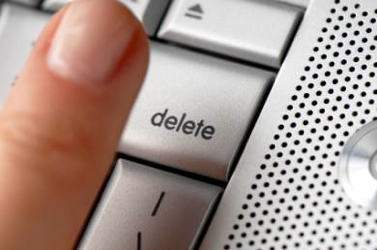 otherwise you might as well write “For Immediate Delete” in the subject line. I had originally planned to showcase great examples of press releases from this week, but couldn’t find any that truly stood out (I looked at the feeds for all the major wires this morning).
Let’s try to change that for next week. Here are a few tips for writing press releases that don’t drive journalists to press delete:
Attention-Grabbing Headline
You need a short, catchy headline that will catch somebody’s attention when they’re scanning dozens (hundreds) of emails in their inbox. Write a headline a journalist would be impressed with. Not sure what that looks like? Look at the front page of The New York Times (or any major newspaper or magazine worth its salt) on any given day. You can tell when somebody takes the time to write a great headline. Your headline should sell the story – in this case, your news. If you can’t sell it in your headline, good luck with your pitch.
Picture This
As I scanned all the press releases, the releases with images stood out. Just like a listing on eBay gets more bids relative to the number and quality of pictures used, so too will your news. Is there a great picture that tells your story? Spend the extra money and distribute it with your release. At the very least, include a logo with your release – it will stand out. I’m referring primarily to wire distribution of your release. If you’re emailing your release, don’t email the images – link to them 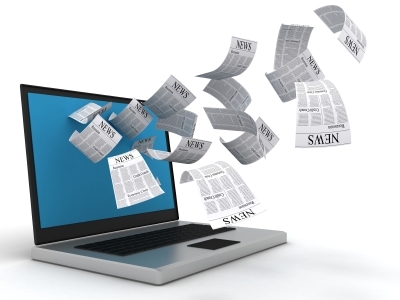 with an accurate description in the release.
Paint (Your Story) By Numbers
Back your stuff up. There were a couple of press releases I saw with great headlines, but as soon as I started reading them, they were full of “me” fluff. Regurgitation of information somebody’s boss said had to be in the release, but little of interest to a journalist. If they had just included a good statistic to get me started on the story, they would have gotten much more interest.
Without naming names, there was a release about a weight loss camp for kids – no mention of the problem of childhood obesity in the U.S. In comparison, here is a good release that starts off with an attention-grabbing stat about the problem of bullying in the U.S. – promoting anti-bullying. Love it. The headline is too busy for me, but it’s one of the best releases out there this week – there’s a lot a journalist could start with here.
Keep It Short
You don’t need to put the kitchen sink in your release. Get in and out. Give them the high points and they’ll contact you for the rest. Most wire services charge more once you exceed 400 words. Keep your releases under 400 words and you’ll save money and increase your chances of getting covered. If you can pitch a journalist in 140 characters, there’s no reason you can’t write a less-than-400-word press release.
Funny How? Like A Clown?
It’s okay to use humor (if it’s really funny). Is there a clever (not cheesy) hook you can use with your release? Work for a bakery? Use a “best thing since sliced bread” reference. Humor is highly subjective, so tread lightly. If you’re in an industry not known for humor, it could work. Ben & Jerry’s just issued a press release where they said they were “proud as peanuts (in a chocolate swirl)” about their announcement. Subtle humor makes releases more interesting.
Write It Like a News Story
Learn to write in inverted pyramid style. Answer the who, what, why, when, where and how in the first paragraph or two. Read the first two paragraphs of the press release you’re working on. If that’s all you had, would you know what the story is about? Practice writing one-paragraph press releases as a first draft. Then add any NECESSARY supporting information. Your headline and first paragraph are the most important components.
Kill the Canned Quotes
Executive John Smith is so excited about this news. It’s really special and makes everyone feel wonderful. Really? Read a couple of executive quotes in some press releases, you’ll see they’re always the same. I know journalists rarely use those quotes (except when a release is used verbatim of course). Either kill the quotes, or give them one they could use. Read the quotes that make it into print and model your press release quote after that. They probably still won’t use it, but you’ll give them an idea of the quotes they could expect to get in an interview with the source.
BONUS: Use Some Bullets
No, not to put yourself out of your misery… I hope the post isn’t that bad. Use bullets to break up your information. Just like they make it easier to scan a blog post, so too do bullets help you scan a press release. I just looked at a couple of hundred press releases – very few had bullets in there. What would happen if you included a section of your release that said, “Here are five things you will learn in this press release:” with the five things? I bet you’d get the strongest response you’ve ever had from a press release… maybe. Test it and let me know how it goes.
10 tips to get your press release published
see online
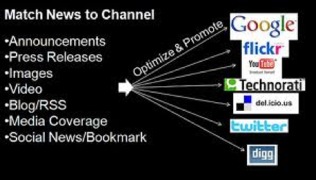
There is plenty of information out there about writing the perfect press release but just being well written and including the what, when, how, where and why doesn’t necessarily mean it will be appearing in the newspaper any time soon. You are also competing with hundreds of other news stories, so how can you get your press release published?
Let’s assume you have a really newsworthy story. What next?
- Write a press release so that it can be cut and pasted
- Call first. Email second.
- Include some of the press release in the body of the email. It’s much better than simply saying, “Please find a press release attached.” If the first line is exciting or newsworthy enough, they’ll want more!

- Use the Bcc box in your email
- Have high resolution photographs ready
- Pre-empt difficult questions
- Use all available distribution tools
- Be available and follow up calls ASAP
- Support stories with case studies
- Be timely
Calendar
Calendar
Important Dates